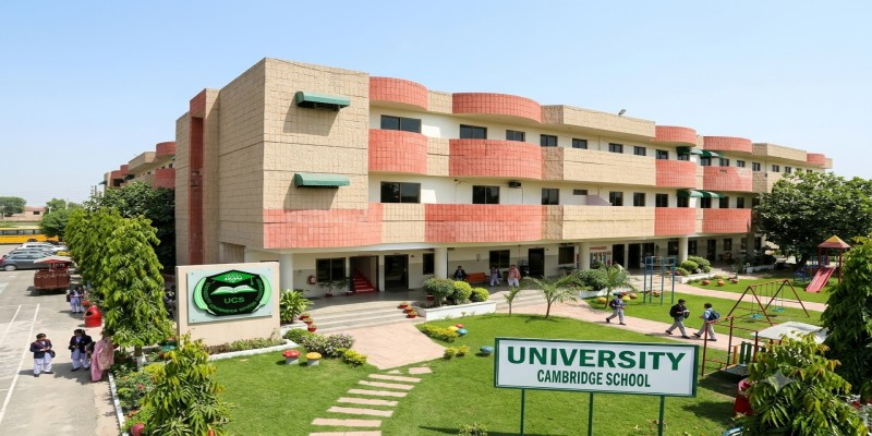
Academic achievement is often measured through test scores, GPA, and subject mastery, but the vehicle that conveys a student's knowledge is effective communication. Whether articulating complex thoughts in a written essay, presenting a group project to classmates, or asking clarifying questions during a challenging science lesson, communication is the foundation of effective learning. In the modern educational landscape, strong verbal, non-verbal, and written communication skills are essential for mastering academic content. Forward-thinking institutions, such as University Cambridge School, place a strong emphasis on developing confident, articulate communicators alongside rigorous academic training.
Active Listening and Classroom Engagement
Communication is a two-way street that begins long before a student speaks or writes. Active listening, the ability to focus, comprehend, and critically process verbal instruction, is a fundamental communication skill directly linked to academic performance.
Students with well-developed listening skills absorb classroom instruction more efficiently, follow complex directions accurately, and retain information longer. Furthermore, articulate students are more comfortable raising their hands to seek clarification when a concept is unclear. This active dialogue prevents minor misunderstandings from snowballing into significant learning gaps over time. Parents interested in enrolling their children in a supportive learning environment that encourages active participation can review the official Admission details.
The Power of Written Communication in Assessment
As students progress through primary and secondary education, academic evaluation relies heavily on written expression. Mastering grammar, vocabulary, sentence structure, and logical arguments is crucial across every academic subject.
Essay Writing and Humanities:
Expressing nuanced arguments, analyzing literary themes, and evaluating historical events require clear, structured writing.
STEM Reporting:
Science and mathematics demand precise, concise communication to document experimental procedures, explain quantitative reasoning, and present research findings.
Exam Performance:
Clearly organized, well-written answers enable examiners to recognize a student's true depth of understanding without misinterpretation.
Collaboration, Group Projects, and Peer Learning
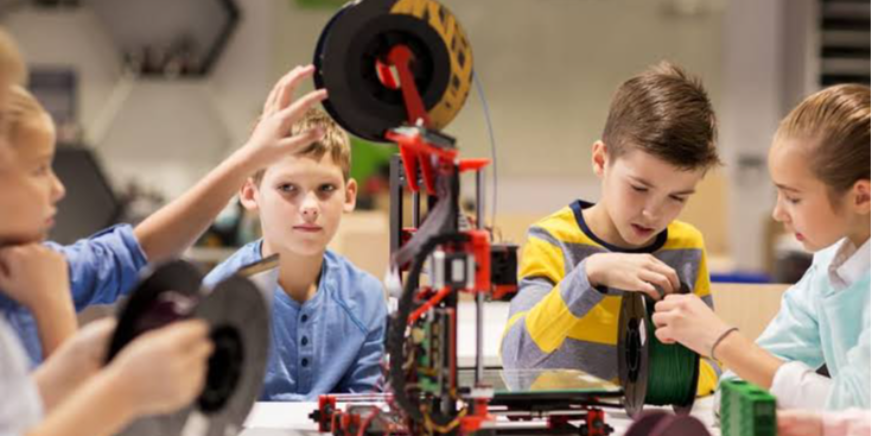
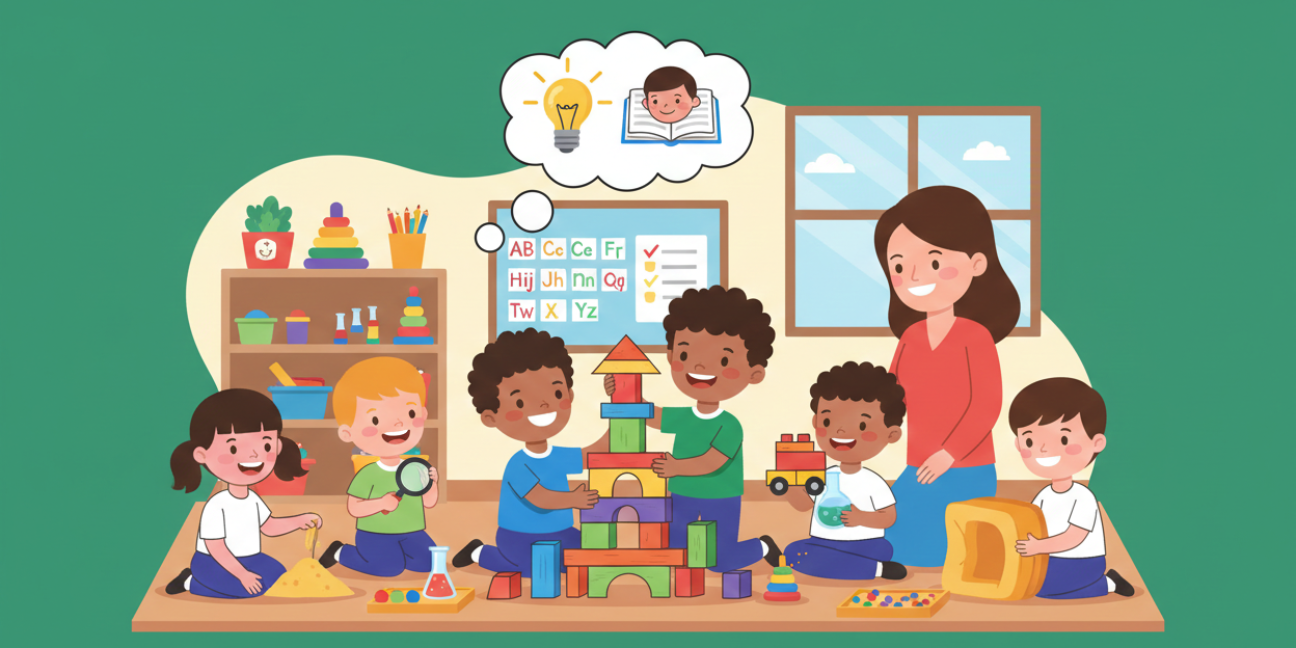
Modern classrooms emphasize collaborative learning, where students work in teams to solve complex challenges, conduct group research, and deliver presentations. Success in these collaborative settings depends entirely on a child's interpersonal communication skills.
Effective peer communication fosters teamwork, active negotiation, constructive feedback, and leadership. Students learn to present their ideas persuasively while respecting diverse perspectives within their group. These collaborative experiences build empathy and emotional intelligence, transforming individual academic effort into collective success. Families exploring holistic school curricula that nurture these essential interpersonal skills can consult the comprehensive school Prospectus.
Conclusion
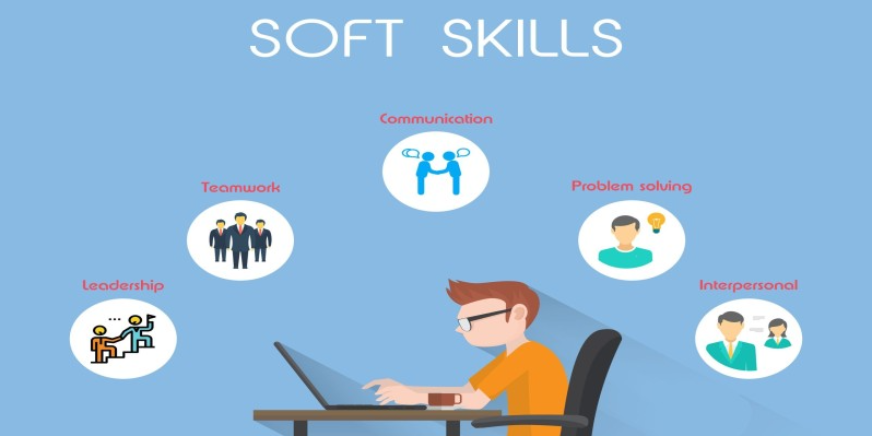
Communication skills are not merely secondary soft skills; they are fundamental drivers of academic performance, intellectual growth, and lifelong personal success. By mastering active listening, persuasive writing, and confident public speaking, students unlock their full academic potential and build the confidence needed to thrive in higher education and beyond. Prioritizing communication excellence in early and secondary schooling ensures that children possess the tools to share their knowledge, lead others, and make a lasting impact on the world