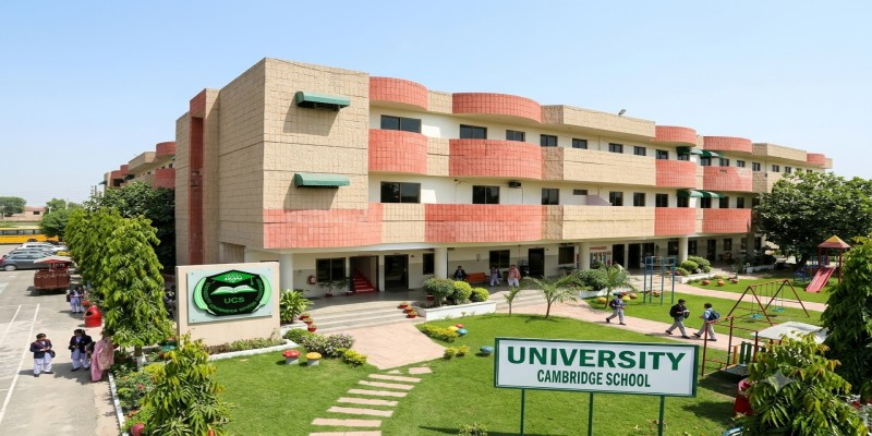
Education is undergoing a fundamental shift as traditional rote learning gives way to dynamic, student-centered learning environments. In a rapidly changing world driven by technological innovation and complex global challenges, memorizing static facts is no longer enough to guarantee lifelong success. Today’s students must learn how to think critically, solve novel problems, adapt to unexpected circumstances, and generate original ideas. Fostering creativity within primary and secondary school education has evolved from an optional artistic enrichment into an essential core pillar of academic development. Progressive educational institutions, such as University Cambridge School, prioritize creative learning methodologies across all grade levels to prepare young minds for the demands of the modern world.
Defining Creativity in the Modern Classroom
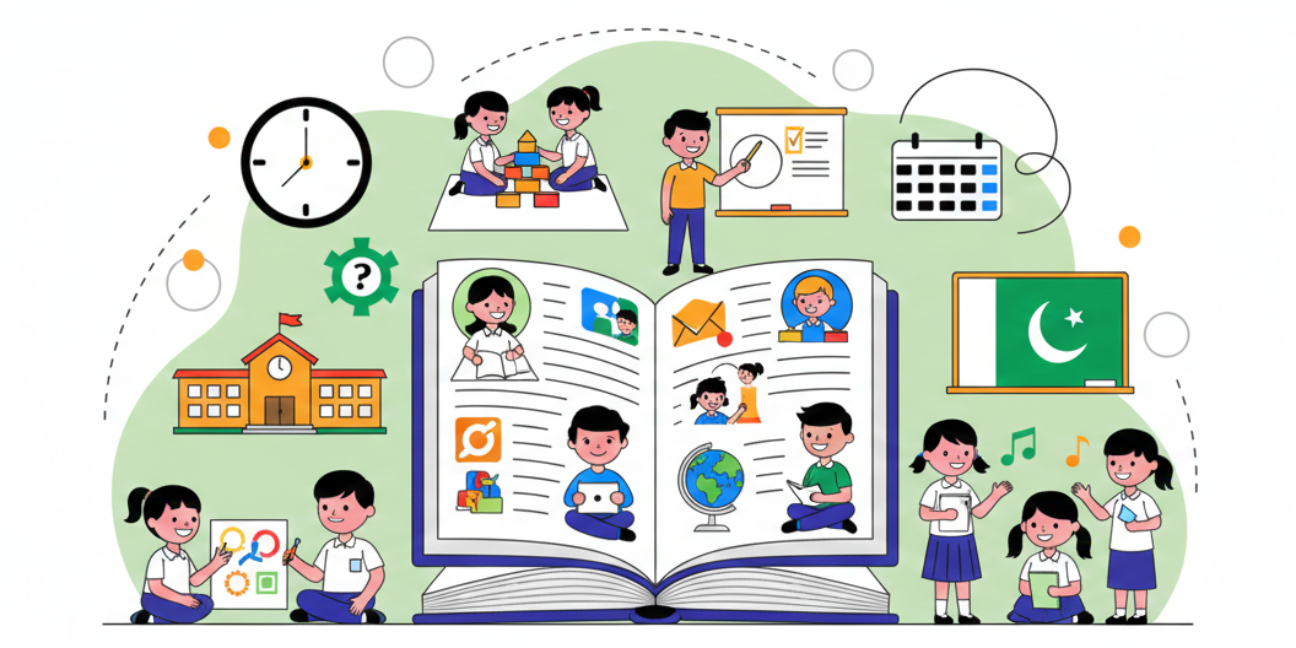
Creativity in education extends far beyond drawing, painting, or traditional performing arts. In a modern academic setting, creativity represents a flexible mindset that encourages curiosity, open-ended inquiry, divergent thinking, and intellectual risk-taking across every academic subject.
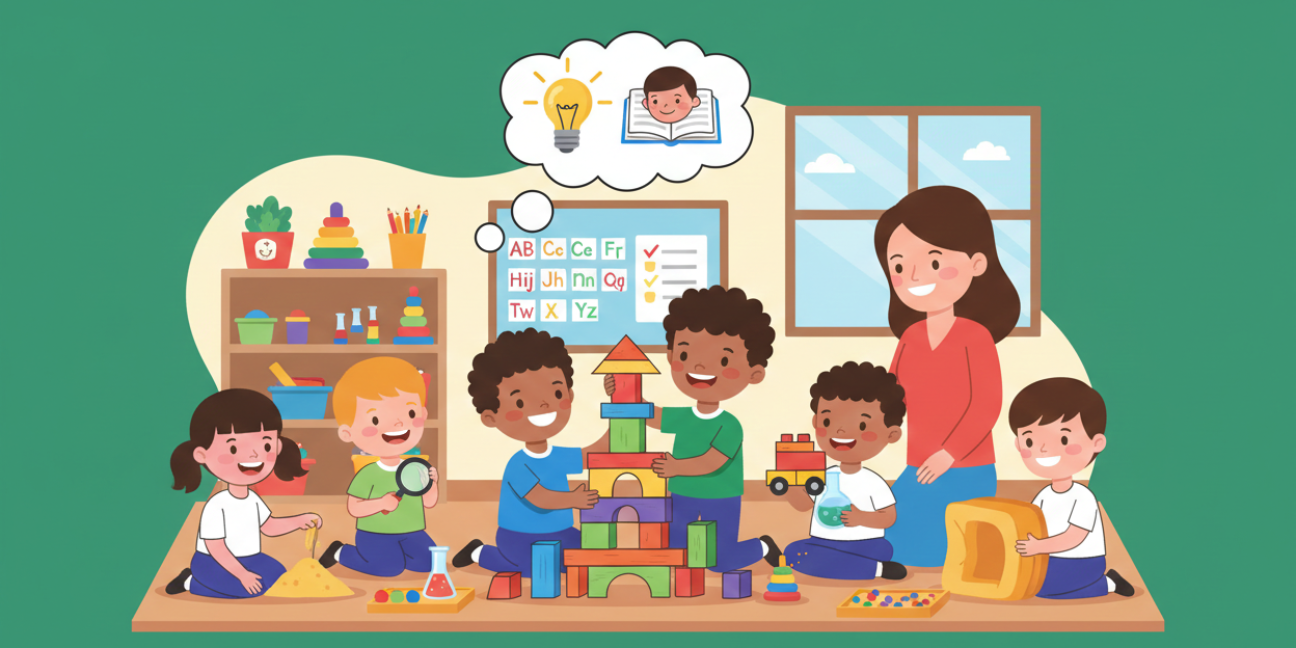
When students approach mathematics, science, literature, or history through a creative lens, they learn to analyze concepts from multiple perspectives rather than searching for a single memorized answer. Creative learning environments encourage pupils to ask probing questions, connect seemingly unrelated ideas, experiment with alternative solutions, and view unexpected mistakes as valuable stepping stones in the learning process.
Cognitive and Emotional Benefits of Creative Learning
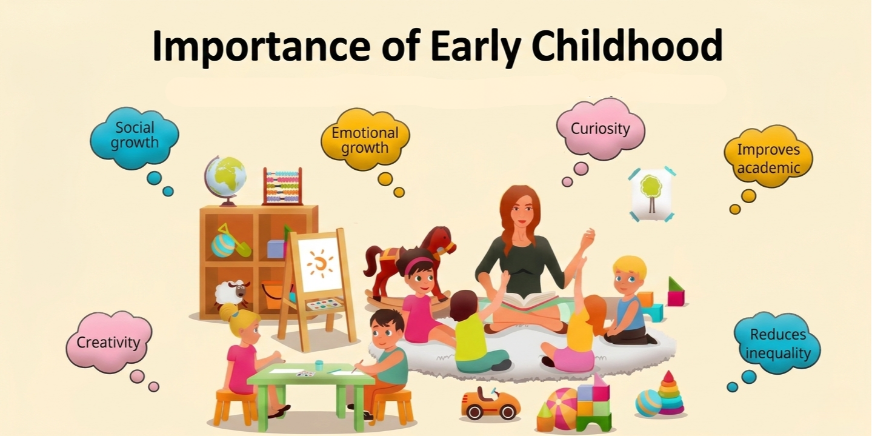
Integrating creative thinking into daily classroom instruction provides significant cognitive and emotional advantages that support a child's overall personal development.
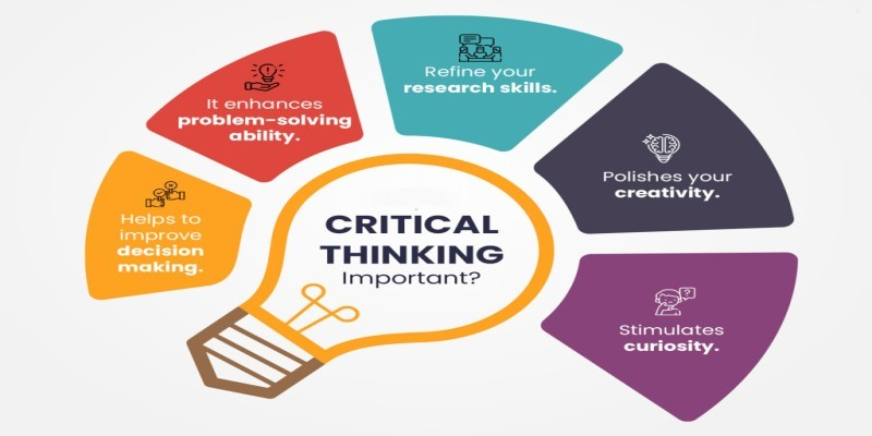
Engaging in creative problem-solving stimulates higher-order cognitive functions, strengthening critical reasoning, analytical thinking, and long-term memory retention. When students actively construct knowledge through hands-on projects, design challenges, and open discussions, they develop a deeper, more enduring understanding of academic concepts. Furthermore, creative expression nurtures emotional resilience, self-confidence, and effective communication skills, allowing young learners to express their thoughts clearly and collaborate constructively with their peers. Parents seeking an enriching academic environment for their children can explore the complete Admission process to learn more about entry requirements and holistic learning pathways.
Integrating Creativity Across STEM and the Humanities
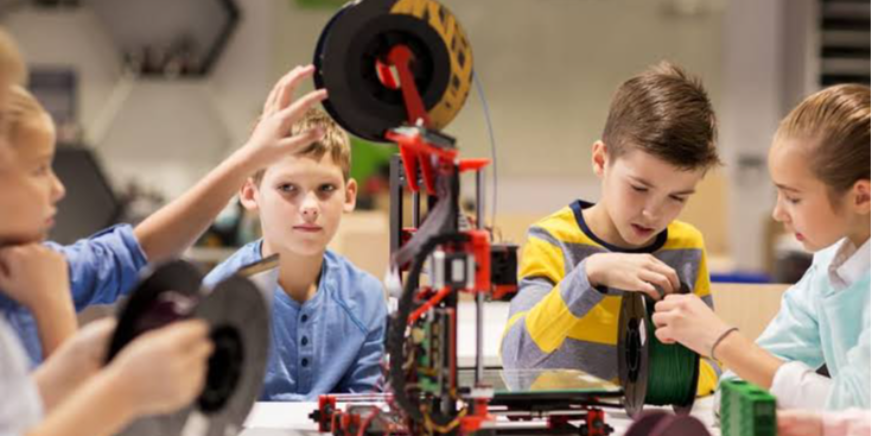
Creativity is not isolated to specific subjects; it enhances learning across the entire educational spectrum. Combining creative thinking with science, technology, engineering, and mathematics (STEM) fields gives rise to STEAM education, where students apply design thinking to solve real-world scientific and technical problems.
In science and mathematics, creative thinking allows students to design original experiments, build working physical models, and discover innovative ways to visualize abstract quantitative concepts. Similarly, in literature and social studies, creative writing, historical role-playing, and debate exercises help students build deep empathy, analyze complex human motivations, and understand diverse cultural viewpoints.
Preparing Students for Future Career Landscapes
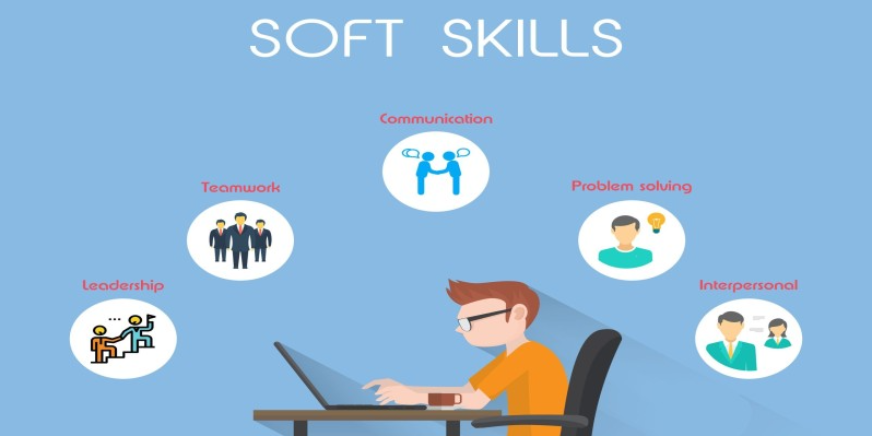
As automation, artificial intelligence, and digital technologies reshape global industries, routine tasks are increasingly performed by automated systems. Human skills—specifically creative innovation, complex problem-solving, emotional intelligence, and adaptability—have become the most valuable assets in the modern workforce.
Schools that prioritize creative education ensure that students do not simply consume information passively, but instead become active creators and innovators. Equipping children with a creative, flexible mindset ensures they can navigate future career paths that may not even exist today. Families interested in reviewing detailed academic curricula, extracurricular opportunities, and campus facilities can consult the official school Prospectus to guide their child's educational journey.
Conclusion
The role of creativity in modern school education is essential for cultivating well-rounded, resilient, and forward-thinking individuals. By encouraging curiosity, divergent thinking, and hands-on problem-solving across all academic disciplines, progressive schools empower students to thrive in an ever-evolving world. Investing in a creative, student-centered education today ensures that young learners grow into confident leaders, innovative thinkers, and lifelong learners capable of making meaningful contributions to society