The first few years of a child’s life are the most critical period for brain development. Research indicates that the experiences a child has during these formative years shape the adult they will eventually become. Understanding the importance of early childhood education for development is essential for parents who want to give their children a head start in life, as it provides the cognitive and social foundation required for long-term success.
Cognitive Growth and Brain Development
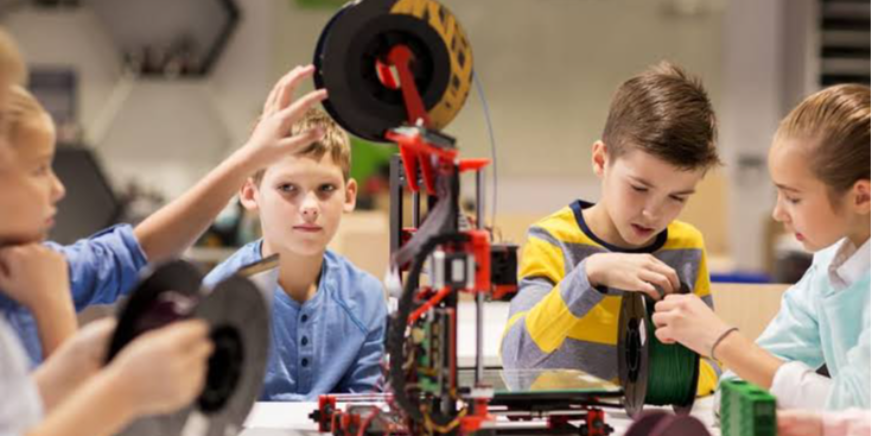
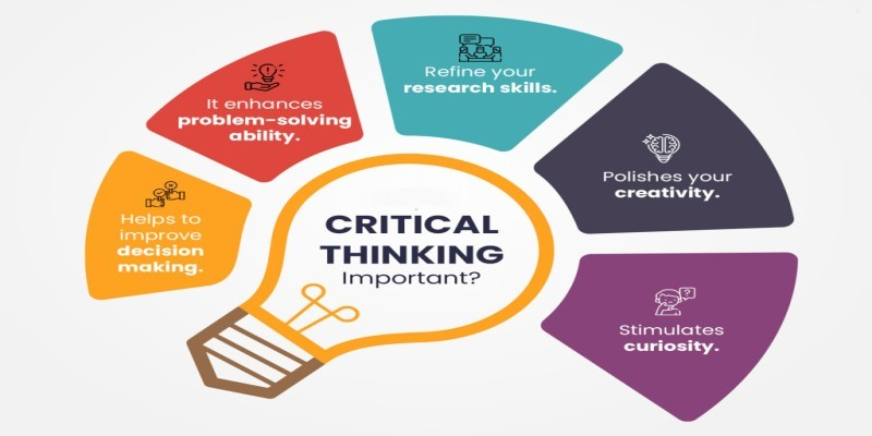
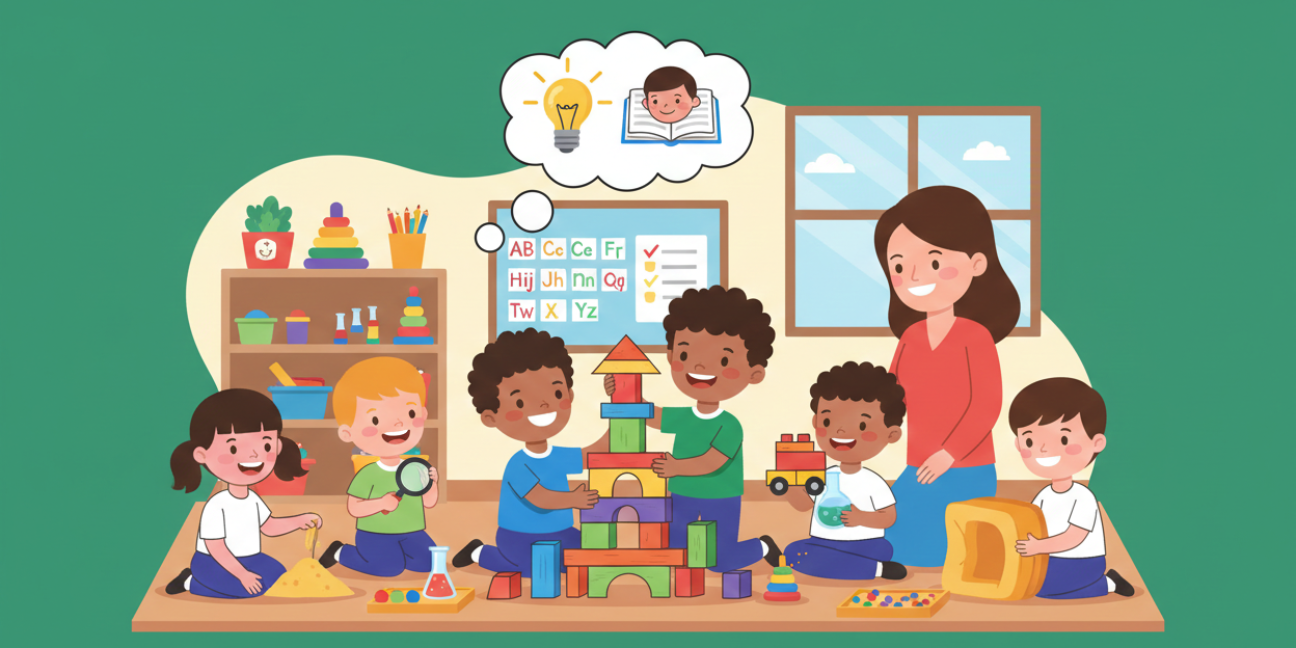
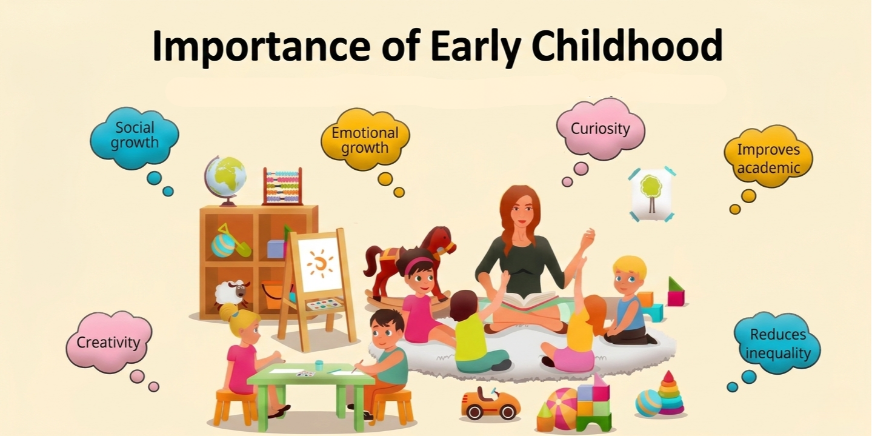
During early childhood, the brain is like a sponge, absorbing information at a rapid pace. Quality preschool education stimulates neural pathways through play-based learning, storytelling, and problem-solving activities. This phase is not just about learning alphabets or numbers; it is about developing the curiosity and critical thinking skills that make a child a lifelong learner.
Social and Emotional Intelligence
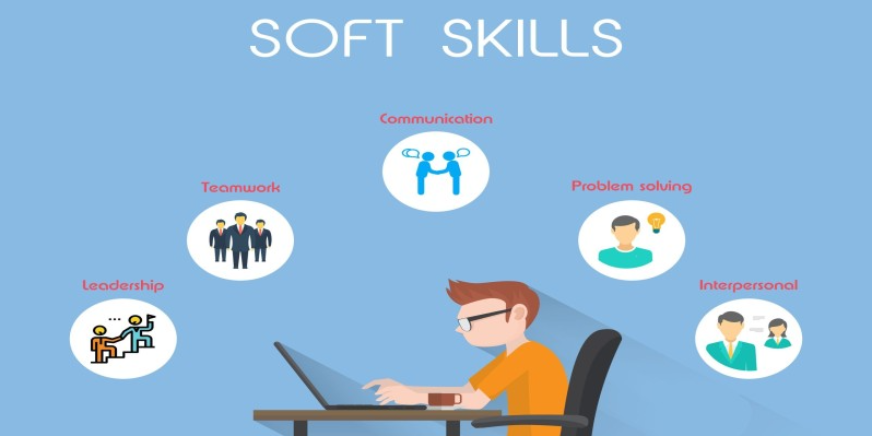
One of the most significant advantages of early schooling is the opportunity for social interaction. Children learn how to share, empathize with others, and manage their emotions in a structured environment. These soft skills are vital for building healthy relationships and navigating the complexities of teamwork and leadership in later years.
Language and Literacy Skills
Early childhood education programs introduce children to a rich vocabulary and the basics of communication. By engaging in group discussions and listening to stories, children develop strong linguistic foundations. This early exposure significantly reduces the struggle many students face when transitioning to primary school subjects.
How Quality Early Learning Benefits Children
A well-structured early years program focuses on several key areas of growth:
- Developing fine motor skills through drawing, coloring, and tactile play.
- Building a sense of routine and discipline that helps children feel secure and organized.
- Encouraging independence by allowing children to make small choices and complete simple tasks on their own.
- Identifying any learning gaps or developmental delays early on so they can be addressed effectively.
The Vision of University Cambridge School Faisalabad
At University Cambridge School Faisalabad (UCSF), we implement a curriculum that ensures our youngest learners receive the best start. We recognize that every child is unique, which is why our early years framework is designed to be nurturing yet challenging. By focusing on the holistic importance of early childhood education for development, UCSF creates a safe and stimulating environment where children can explore their potential under the guidance of expert educators.
Conclusion
Investing in early education is the best gift a parent can give to their child. It is not merely a preparation for primary school, but a foundation for life. By choosing a professional environment like UCSF, you ensure that your child’s initial steps are taken with confidence, curiosity, and a love for learning that will last forever. For more detailed education blogs and tips, please visit our blog section on our website.